
Virtual Small Business Bookkeeping: Simplifying Your Financial Management
Managing the financial side of a small business can be challenging. Keeping track of expenses, invoices, payroll, and taxes requires time and expertise. Fortunately, virtual bookkeeping solutions have emerged as a practical and efficient way to handle these tasks. By leveraging technology and professional support, small businesses can maintain accurate financial records without the need for an in-house bookkeeper.
In this post, we will explore how virtual bookkeeping can benefit your business, what services are typically offered, and how to choose the right solution for your needs. We will also discuss costs and provide tips to get started with virtual bookkeeping confidently.
What Is Virtual Small Business Bookkeeping?
Virtual small business bookkeeping refers to the process of managing your financial records remotely using cloud-based software and online communication tools. Instead of having a bookkeeper physically present in your office, you collaborate with a professional who handles your books from a different location.
This approach offers several advantages:
Flexibility: You can access your financial data anytime, anywhere.
Cost-effectiveness: You save on office space, equipment, and employee benefits.
Expertise: You gain access to skilled bookkeepers who stay updated on tax laws and accounting standards.
Efficiency: Automated tools reduce manual data entry and errors.
Typical services included in virtual bookkeeping are:
Recording daily transactions such as sales and expenses
Reconciling bank and credit card statements
Managing accounts payable and receivable
Preparing financial reports like profit and loss statements
Assisting with payroll processing
Supporting tax filing and compliance
By outsourcing these tasks, you free up time to focus on growing your business while ensuring your financial records are accurate and up to date.
Benefits of Virtual Small Business Bookkeeping
Choosing virtual bookkeeping brings many benefits that can help your business thrive:
1. Save Time and Reduce Stress
Bookkeeping can be time-consuming and complex. Virtual bookkeeping services take this burden off your shoulders. You no longer need to worry about keeping receipts organized or entering data manually. Instead, you can rely on professionals who handle these tasks efficiently.
2. Improve Financial Accuracy
Errors in bookkeeping can lead to costly mistakes, missed tax deductions, or compliance issues. Virtual bookkeepers use specialized software and double-check entries to ensure accuracy. This reduces the risk of errors and gives you confidence in your financial statements.
3. Access Real-Time Financial Insights
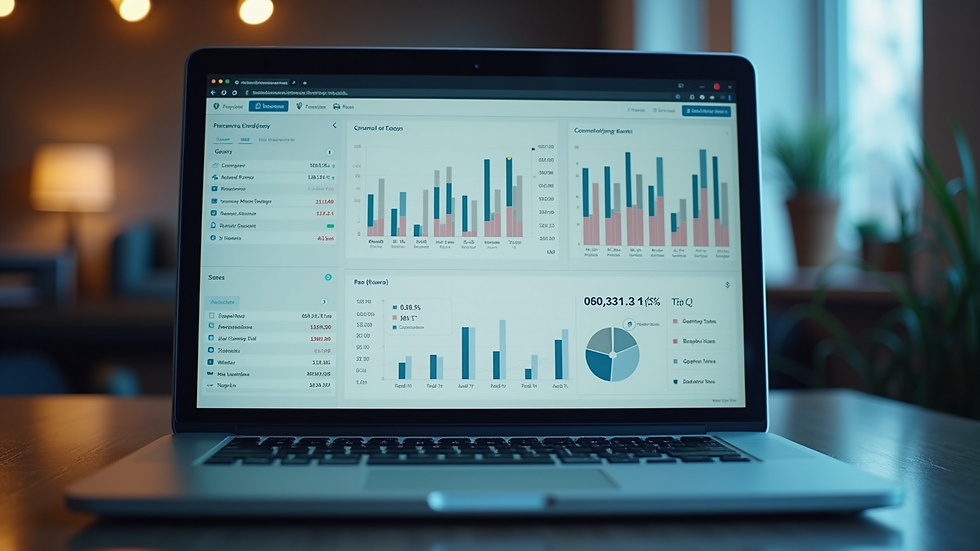
With cloud-based bookkeeping, you can view your financial data in real time. This helps you make informed decisions about budgeting, investments, and growth strategies. Many virtual bookkeeping platforms offer dashboards and reports that are easy to understand, even if you don’t have an accounting background.
4. Scale Your Bookkeeping as You Grow
As your business expands, your bookkeeping needs become more complex. Virtual bookkeeping services can scale with you, offering additional support such as payroll management, tax preparation, and financial forecasting. This flexibility means you won’t have to switch providers as your business evolves.
5. Enhance Security and Backup
Cloud bookkeeping platforms use encryption and secure servers to protect your financial data. Regular backups ensure that your information is safe even in case of hardware failure or cyberattacks. This level of security is often better than what small businesses can provide on their own.
How Much Does a Virtual Bookkeeper Cost?
Understanding the cost of virtual bookkeeping helps you budget effectively. Pricing varies depending on the scope of services, the complexity of your business, and the provider you choose. Here are some common pricing models:
Hourly Rates
Some virtual bookkeepers charge by the hour, typically ranging from $30 to $80 per hour. This model works well if you need occasional support or have a small volume of transactions.
Monthly Packages
Many providers offer monthly packages based on the number of transactions or services included. Prices can range from $200 to $600 per month. These packages often cover routine bookkeeping tasks, bank reconciliations, and basic reporting.
Customized Pricing
For businesses with more complex needs, such as payroll, tax filing, or financial consulting, providers may offer customized quotes. This ensures you pay only for the services you require.
Additional Costs
Keep in mind that some bookkeeping software subscriptions or add-ons may incur extra fees. It’s important to clarify what is included in your package to avoid surprises.
When evaluating costs, consider the value of your time saved and the accuracy gained. Investing in virtual bookkeeping can prevent costly errors and free you to focus on your core business activities.

How to Choose the Right Virtual Bookkeeping Solution
Selecting the best virtual bookkeeping service for your business involves careful consideration. Here are some key factors to keep in mind:
1. Assess Your Business Needs
Start by identifying what bookkeeping tasks you want to outsource. Do you need help with daily transaction recording, payroll, tax filing, or all of the above? Knowing your requirements will help you find a provider that matches your needs.
2. Check Experience and Credentials
Look for bookkeepers with experience working with small businesses in your industry. Certifications such as Certified Bookkeeper (CB) or QuickBooks ProAdvisor can indicate professionalism and expertise.
3. Evaluate Software Compatibility
Ensure the virtual bookkeeping service uses software that integrates well with your existing tools. Popular platforms include QuickBooks Online, Xero, and FreshBooks. Cloud-based solutions allow you to access your data anytime.
4. Review Communication and Support
Effective communication is essential for virtual services. Choose a provider who offers clear channels for questions and updates, such as email, phone, or video calls. Timely support can prevent delays and misunderstandings.
5. Read Reviews and Ask for References
Customer reviews and testimonials provide insight into the provider’s reliability and quality. Don’t hesitate to ask for references to hear directly from other clients.
6. Understand Security Measures
Confirm that the provider follows best practices for data security, including encryption, secure backups, and compliance with privacy regulations.
By taking these steps, you can find a virtual bookkeeping partner who will help you maintain accurate financial records and support your business growth.
Getting Started with Virtual Bookkeeping
Starting with virtual bookkeeping is easier than you might think. Here’s a simple roadmap to get you going:
Gather Your Financial Documents: Collect bank statements, receipts, invoices, and payroll records.
Choose Your Bookkeeping Software: Select a cloud-based platform that suits your business size and needs.
Find a Virtual Bookkeeper: Use the criteria above to select a trusted provider.
Set Up Access and Permissions: Grant your bookkeeper secure access to your financial accounts and software.
Establish a Workflow: Agree on how often you will send documents, receive reports, and communicate.
Review Reports Regularly: Use monthly or quarterly financial reports to monitor your business health.
Adjust as Needed: As your business changes, update your bookkeeping services accordingly.
Remember, virtual bookkeeping is a partnership. Open communication and clear expectations will help you get the most value from the service.
For those interested in exploring options, consider looking into virtual bookkeeping for small business services that specialize in supporting Canadian businesses with tailored solutions.
Embracing Virtual Bookkeeping for a Brighter Financial Future
Virtual bookkeeping offers a practical, affordable, and secure way to manage your small business finances. By partnering with skilled professionals and leveraging modern technology, you can keep your books accurate and up to date without the hassle of doing it all yourself.
This approach not only saves time and reduces stress but also provides valuable insights that help you make smarter business decisions. Whether you are just starting out or looking to streamline your existing processes, virtual bookkeeping can be a game-changer.
Take the first step today by exploring your options and finding a virtual bookkeeping solution that fits your unique needs. With the right support, you can focus on what matters most - growing your business and achieving your goals.


Comments